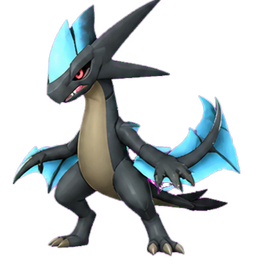
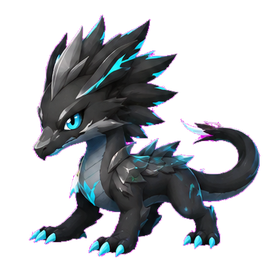
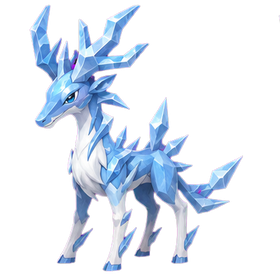
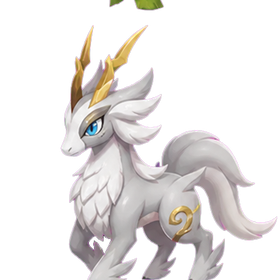
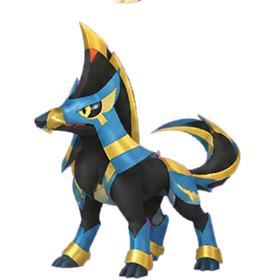
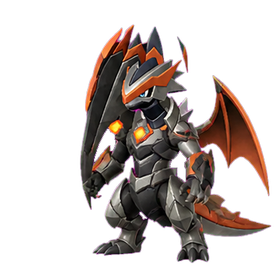
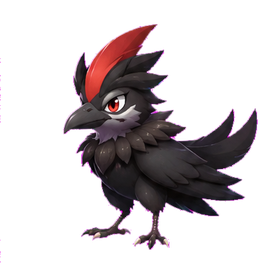
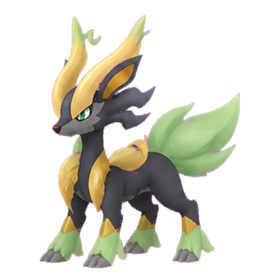
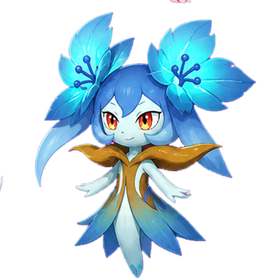
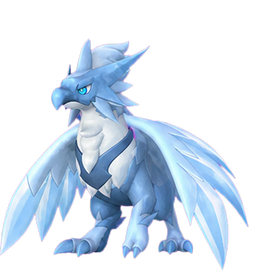
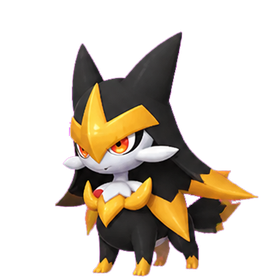
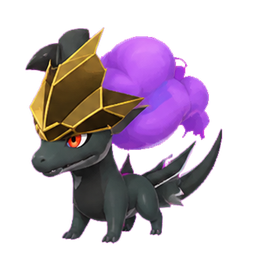
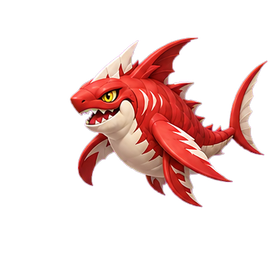
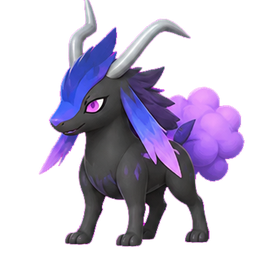
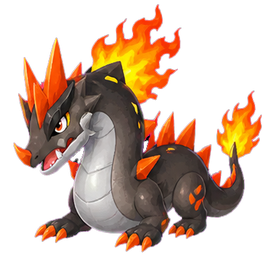
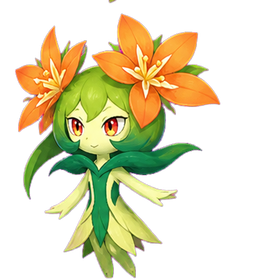
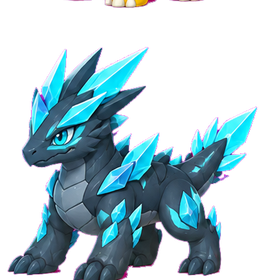
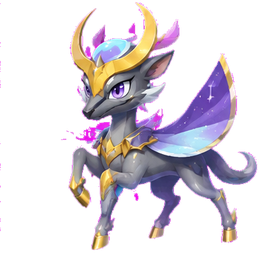
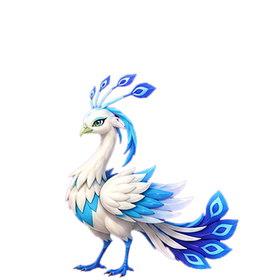
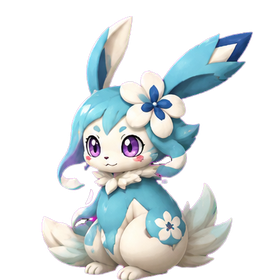
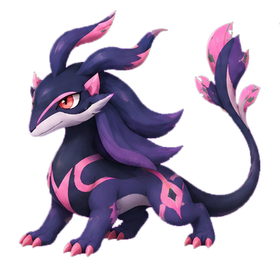
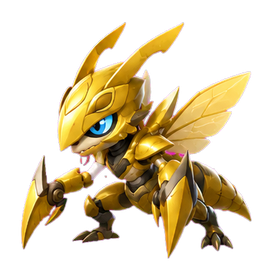
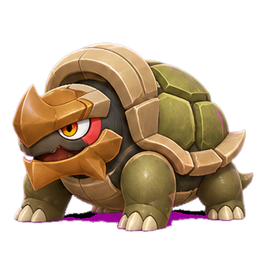
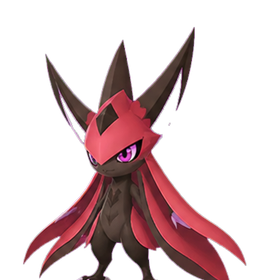
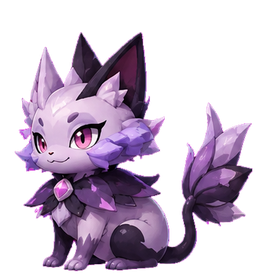
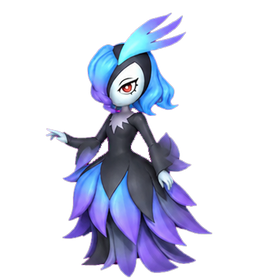
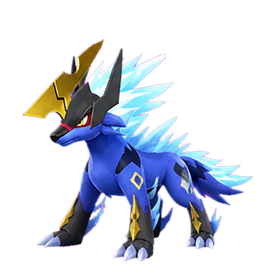
104 parent pairs breed Astegon in Palworld v1.0.3.
The Palworld breeding calculator searches in both directions: choose a target Pal to see every parent pair that breeds it, or choose two parents to see what they produce. It covers 44,850 parent pairs across 299 Pals in Palworld v1.0.3, last verified on 2026-08-25.
Pals covered
299every Pal visible in the Paldeck
Parent pairs
44,850distinct pairs; one pair has two gender-directed recipes
Fixed combinations
377special, same-species and gender-directed pairs together
Last verified
2026-08-25date of the latest source check
PalProof · v1.0.3
Palworld Breeding Calculator
The Palworld breeding calculator searches in both directions: choose a target Pal to see every parent pair that breeds it, or choose two parents to see what they produce. It covers 44,850 parent pairs across 299 Pals in Palworld v1.0.3, last verified on 2026-08-25.
Species only: this answers which Pal hatches, not which passives, active skills or stats it will have.
Choose a target Pal iconNames, image and selected state stay together.
299 / 299Name⌄
Selected border = the current target or parent icon.Click a card to select it.
How to use the Palworld breeding calculator
Find the parents
Choose the Pal you want and the calculator returns every parent pair that breeds it in Palworld v1.0.3. A target usually has more than one route, so the list can be compared against the Pals already in your Palbox instead of hunting for one specific pair.
Find the child
Choose two Pals you already have and the calculator returns the species their egg hatches into. Either selector can be searched by name or by Paldeck number, and the pair is kept in the page URL so a result can be shared or reopened.
Species only: this answers which Pal hatches, not which passives, active skills or stats it will have.
From a result to a hatched Pal
1
Place one valid parent pair from the combination in a Breeding Farm.
2
Put a Cake in the Breeding Farm's chest so the pair will produce an egg.
3
Pick up the egg and incubate it in an Egg Incubator until it hatches.
How Palworld breeding combos work
Most pairs resolve through one rule: the child is the Pal whose breeding rank sits nearest the average of the two parents' ranks. 44,473 of the 44,850 pairs in this dataset are produced that way.
The rest are fixed: 377 pairs the rank rule does not produce. 77 are special combinations, 299 are same-species pairs, and 1 names a gender for each parent. 26 Pals have no other route at all: they breed only from a pair of their own kind, so a pair has to be obtained before any can be bred.
Parent order does not change the result for 44,849 of the 44,850 pairs — the rank rule is symmetric, so swapping Parent A and Parent B returns the same child. 1 pair is the exception: it names a gender for each parent, and the combination page prints that condition on the row.
Check a route against the current data
A route remembered from an older version may not be the route this dataset holds. Search the pair again before committing time in your base.
Is this Palworld breeding calculator up to date for Palworld v1.0.3?
Yes. Every combination on this page comes from sourced Palworld 1.0.3 data, last verified on 2026-08-25. The version is shown beside the results, so any answer can be traced back to the data it came from rather than to a remembered route.
How do I find what two parent Pals produce?
Choose Find the child, select Parent A and Parent B, and the calculator returns the species produced by that pair for the selected version.
How do I find every parent pair for a Pal in Palworld?
Choose Find the parents, then select the target Pal. The calculator returns the parent combinations available in the selected game version and keeps the lookup in the page URL. A search for a breeding calc or a breeding chart lands on this same tool.
What is a special breeding combination in Palworld?
A special combination is a fixed pair that the rank rule does not produce. This dataset has 77 of them, plus 299 same-species pairs where two of the same Pal produce their own species, and 1 that depend on which parent is female. Every combination page marks which rule produced the row it shows.
What do I need to breed Pals in Palworld?
A Breeding Farm with a valid parent pair assigned to it, a Cake in the farm's chest so the pair produces an egg, and an Egg Incubator to hatch that egg. The calculator answers which species the egg becomes; the breeding itself still happens in your base.
Does it matter which parent goes in the first slot?
Not for 44,849 of the 44,850 pairs — the rank rule is symmetric, so swapping Parent A and Parent B returns the same child. 1 pair names a gender for each parent, and that condition is printed on the row of the combination page it belongs to.
Can the breeding calculator confirm passives, active skills or stats?
No. It answers the resulting species only. Use the build checker for an exact Pal, passive-skill and active-skill legality question.
How are active skills inherited when a Pal is bred in Palworld v1.0.3?
A Pal equips 3 active skills at once, and inheritance draws from the skills the parents have equipped rather than from everything they have learned. Anything a child inherits beyond its equipped slots stays in its learned list instead of being lost.